




-
Elizabeth Shepard
-
 Uncategorized
-
 0 Comments
-
 July 4, 2026
Electrical Mistakes That Cause Fires
Protect your family with expert fire prevention tips
Overloading Circuits and Extension Cords
The most common electrical mistake homeowners make is overloading circuits with too many devices. Every circuit in your home has a specific amperage capacity, typically 15 or 20 amps for standard household circuits. When you plug multiple high-wattage appliances into a single circuit, you force the wiring to carry more current than it was designed to handle. This excessive current flow generates heat within the walls, and that heat builds up over time. In Denver’s older neighborhoods like Park Hill and Highlands, many homes still operate on electrical systems designed decades ago for far fewer devices than modern households require.
Extension cords present an equally serious hazard when used as permanent wiring solutions. These cords are rated for temporary use only because they lack the protective sheathing and heat dissipation capabilities of in-wall wiring. Running an extension cord under carpets or furniture creates friction and restricts airflow, allowing dangerous heat buildup. Space heaters, window air conditioning units, and kitchen appliances draw substantial power and should never share extension cords with other devices. If you find yourself relying on extension cords or power strips in multiple rooms, your home needs additional circuits.
Watch for warning signs: frequently tripping breakers, warm outlet plates, buzzing sounds from outlets, or a burning smell near electrical fixtures. These symptoms indicate your circuits are struggling under the load. A licensed electrician can assess your power distribution and recommend solutions like adding electrical circuits to safely accommodate your household’s actual needs. Many Denver homes benefit from dedicated circuits for home offices, entertainment systems, and kitchen appliances. Addressing circuit capacity now prevents the fire risk that comes from chronic overloading.
Ignoring Outlet and Switch Warning Signs
Outlets and switches communicate distress through physical symptoms that homeowners too often dismiss. A warm or discolored outlet plate signals loose connections inside the electrical box. When connections loosen, electrical resistance increases at that junction point, and resistance generates heat. That heat discolors the plastic, creating brown or black marks around the outlet openings. The same loose connections cause sparking when you plug devices in or remove them. Each spark represents a momentary arc of electricity jumping across a gap, and those arcs produce intense localized heat capable of igniting surrounding materials.
Two-prong outlets in older Denver homes represent another serious concern. These ungrounded outlets lack the safety pathway that directs fault current safely away from the device and user. Without grounding, electrical faults have nowhere to go except through whatever path offers the least resistance, including flammable materials in your walls. Flickering lights when you use certain appliances indicate voltage fluctuations caused by inadequate wiring or poor connections. These fluctuations stress both your electrical system and your connected devices.
Never ignore outlets that feel loose when you insert plugs. The constant movement wears away the internal contacts, creating gaps where arcing occurs. If you smell burning plastic or notice scorch marks near any outlet or switch, disconnect power to that circuit immediately at the breaker panel and schedule an inspection. Professional troubleshooting and repairs identify the root cause, whether it’s backstabbed wiring, aluminum wiring connections, or simply worn components. Colorado’s dry climate accelerates the degradation of electrical connections through thermal cycling as temperatures shift between day and night, making regular inspection particularly important for homes over 20 years old.
Damaged Wiring and Deteriorating Systems
Hidden behind walls and ceilings, damaged wiring often goes undetected until it causes catastrophic failure. Rodents gnaw through wire insulation seeking water or creating nests, exposing bare copper conductors that can short circuit against metal framing or each other. Water intrusion from roof leaks, plumbing failures, or foundation moisture corrodes connections and degrades insulation. Denver’s freeze-thaw cycles create particular risks in crawl spaces and attics where temperature extremes stress wiring and connections. Once insulation breaks down, exposed conductors create direct fire hazards.
Aluminum wiring, common in homes built during the 1960s and 1970s, expands and contracts more than copper with temperature changes. This property causes connections to loosen over time, creating high-resistance junctions that overheat. If your home has aluminum wiring, specialized connection methods and regular inspection become critical safety measures. Knob-and-tube wiring in Denver’s oldest homes presents even greater concerns. This obsolete system lacks grounding, uses brittle insulation that crumbles with age, and was never designed for modern electrical loads. Insurance companies often refuse coverage or charge premium rates for homes with knob-and-tube wiring because of the documented fire risk.
Age alone degrades wiring systems. Insulation becomes brittle, connections oxidize, and protective sheathing cracks. If your home is more than 40 years old and has never had an electrical system evaluation, you’re operating on borrowed time. Professional electricians use thermal imaging cameras to detect hot spots invisible to the naked eye, identifying dangerous conditions before they ignite. Investing in an electrical system inspection provides documentation of your home’s condition and a roadmap for necessary upgrades. When inspection reveals deteriorated wiring, complete replacement of affected circuits protects your property and family far more effectively than hoping nothing goes wrong.
DIY Electrical Work and Improper Repairs
Online tutorials and home improvement videos make electrical work appear deceptively simple, but this encourages dangerous mistakes. Homeowners who tackle electrical projects without proper training consistently make errors that violate electrical code and create fire hazards. Using the wrong wire gauge for a circuit’s amperage causes the conductor to overheat under normal loads. Incorrect wire connections, loose terminal screws, or improperly sized breakers all introduce failure points into your electrical system. Colorado requires permits for most electrical work precisely because improper installation kills people and destroys property.
The most dangerous DIY mistake involves energized work. Professional electricians follow lockout-tagout procedures to ensure power cannot be restored while they work on circuits. Homeowners working on live circuits risk electrocution and arc flash burns, but they also make errors under the stress of working near energized conductors. Reversed polarity at outlets, where hot and neutral wires are swapped, prevents safety features from functioning correctly. Missing or improperly sized wire nuts allow conductors to separate and arc. Overdriven staples or screws that pierce cable sheathing create short-circuit conditions waiting to happen.
If you’ve purchased a home where the previous owner performed electrical work, visual inspection cannot verify safety. Non-metallic cable run without proper protection through studs, missing junction box covers, reversed three-way switch wiring, or circuits protected by incorrect breaker sizes all hide behind walls. Budget constraints tempt homeowners to attempt their own electrical repairs, but the cost of fire damage and potential loss of life makes professional installation the only responsible choice. Licensed electricians carry insurance, pull required permits, and stand behind their work. When you need electrical modifications or repairs, working with qualified professionals ensures the job meets code requirements and protects your family’s safety.
Outdated Panels and Neglected Maintenance
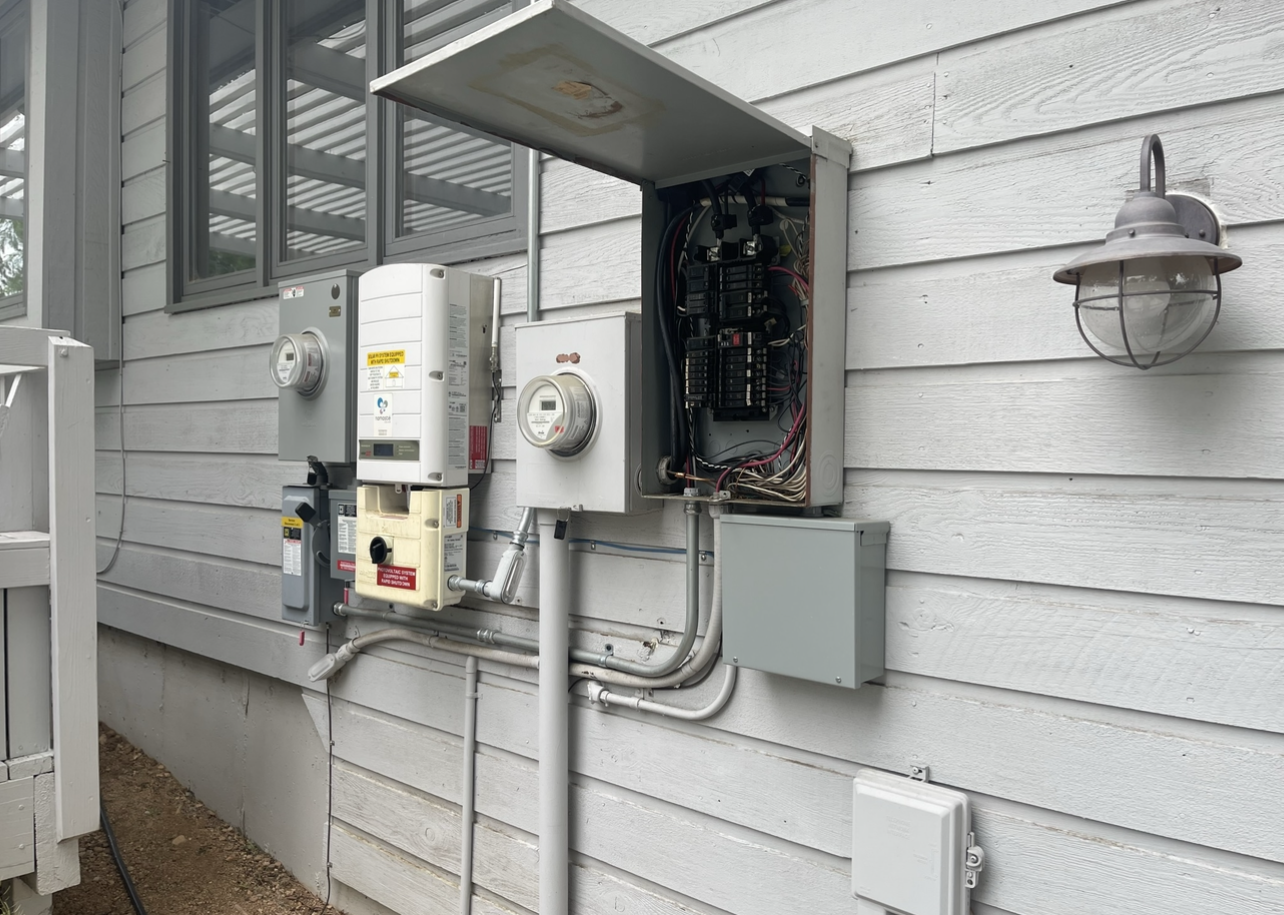
Your electrical panel serves as the safety hub for your entire home, but panels have finite lifespans. Federal Pacific Electric panels installed between the 1950s and 1980s have documented failure rates where breakers fail to trip during overload conditions. Zinsco panels from a similar era suffer from bus bar deterioration that allows breakers to fuse in place. When breakers cannot interrupt fault current, wiring overheats without protection, and fires start. If your Denver home still has one of these recalled or problematic panel brands, replacement should be your top priority. Many insurance carriers now refuse coverage for homes with known defective panels.
Even quality panels require proper maintenance and eventual replacement. Breakers wear out from repeated tripping and age-related contact degradation. Corrosion from moisture exposure weakens connections and increases resistance. Bus bars expand and contract with thermal cycling, loosening breaker contacts over time. Most residential panels have a 25 to 40-year service life, after which replacement becomes a safety necessity rather than an option. Modern homes also require more circuits than panels from previous decades provided. If you have circuits protected by fuses instead of breakers, or if your main panel totals less than 100 amps of service, you lack adequate capacity for current electrical demands.
Warning signs of panel problems include frequently tripping breakers, breakers that feel hot to the touch, corrosion visible inside the panel box, or a main breaker that trips when you use multiple appliances simultaneously. Flickering lights throughout the house when large appliances cycle on point to voltage drop from inadequate service capacity. These symptoms indicate your panel cannot safely manage your electrical load. Professional panel changes update your electrical system to current code standards, provide capacity for future needs, and eliminate the fire hazards associated with obsolete equipment. Scheduling service upgrades before panel failure occurs prevents the disruption and danger of emergency situations. Your electrical system protects everything else in your home, making panel maintenance and timely replacement one of the most important safety investments you can make.
