



-
30electric
-
 Home Safety
-
 0 Comments
-
 September 2, 2026
5 Warning Signs Your Home Electrical Panel Is Overloaded and at Risk of Failure
Understanding the Hidden Dangers in Your Electrical System
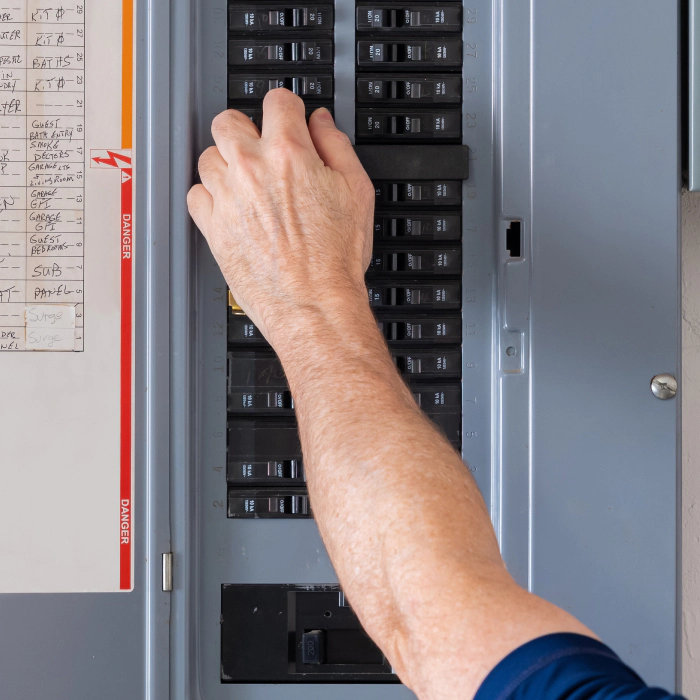
Your home’s electrical panel serves as the heart of your power distribution system, quietly managing the flow of electricity to every outlet, appliance, and fixture throughout your property. When this critical component becomes overloaded, the consequences extend far beyond inconvenience. Overloaded panels are responsible for thousands of residential fires each year, property damage, and serious safety hazards that put families at risk.
In Denver homes, the problem has become increasingly common as modern households add more power-hungry devices, home offices, electric vehicle chargers, and smart home technology to systems originally designed decades ago. Many homeowners remain unaware that their electrical infrastructure is silently approaching, or has already exceeded, its safe capacity. Recognizing the warning signs before a catastrophic failure occurs can mean the difference between a planned electrical panel upgrade and an emergency situation that threatens your home and loved ones.
Frequent Circuit Breaker Trips Indicate Capacity Issues
When circuit breakers trip occasionally, they are performing their intended safety function by interrupting power when a circuit draws more current than it can safely handle. However, if you find yourself repeatedly resetting breakers, particularly when running common appliance combinations, your panel is sending a clear distress signal that demand has outstripped capacity.
This pattern becomes especially apparent during Denver’s temperature extremes. In winter months, when space heaters supplement central heating systems, or during summer when air conditioning units run continuously alongside other household loads, many older panels struggle to keep up. Homeowners often adapt by carefully timing when they use certain appliances, avoiding running the dryer while the dishwasher operates, or unplugging devices to free up capacity. These workarounds are temporary Band-Aids on a fundamental problem.
Persistent tripping indicates that your electrical system lacks sufficient amperage for your household’s actual needs. Most older homes were built with 100-amp or even 60-amp service, adequate for the appliances common in previous decades but woefully insufficient for today’s electrical demands. A qualified evaluation can determine whether you need an electrical panel replacement to bring your home’s capacity in line with modern requirements and eliminate the constant frustration and safety risk of inadequate service.
Dimming or Flickering Lights Signal Voltage Problems
Lights that dim momentarily when you start a major appliance, such as a refrigerator compressor kicking on or a hair dryer beginning its cycle, indicate voltage drop caused by insufficient electrical capacity. While a slight, brief flicker might occur even in healthy systems when very large loads start, consistent or pronounced dimming reveals that your panel and service cannot maintain stable voltage under normal operating conditions.
This voltage instability does more than create annoying lighting variations. It stresses every electrical device in your home, potentially shortening the lifespan of sensitive electronics, computers, and appliances that rely on consistent power delivery. LED bulbs, which have become standard in most Denver homes for their energy efficiency, are particularly sensitive to voltage fluctuations and may flicker or fail prematurely when electrical service is inadequate.
The root cause often lies in an overloaded panel trying to distribute insufficient amperage across too many demanding circuits. When one circuit draws heavy current, it pulls down the available voltage for other circuits sharing the same phase. This electrical imbalance indicates your system has reached or exceeded its design capacity. Addressing the problem typically requires upgrading to a higher-amperage panel, often 200 amps for modern homes, along with possible electric service upgrade to increase the capacity of the utility connection feeding your property.
Warm Panels and Burning Odors Demand Immediate Attention
An electrical panel should never feel hot to the touch, and any burning smell, whether plastic, metal, or similar to an overheated appliance, represents a genuine emergency requiring immediate professional attention. These symptoms indicate dangerous overheating caused by electrical resistance, loose connections, or conductors carrying more current than their rated capacity.
When a panel is overloaded, the sustained excessive current flow generates heat. Connections begin to oxidize and loosen, which increases electrical resistance and creates even more heat in a destructive cycle. Wire insulation deteriorates, circuit breakers weaken and may fail to trip when they should, and in worst cases, combustible materials near the panel can ignite. The National Fire Protection Association links electrical failures and malfunctions to thousands of home structure fires annually, with outdated or overloaded panels among the primary causes.
If you detect warmth or any unusual odors coming from your electrical panel, turn off the main breaker if it is safe to do so and contact qualified electrical services immediately. Do not attempt to investigate further or delay addressing the situation. Denver’s dry climate and lower humidity levels mean that once electrical fires start, they can spread rapidly through wood-framing structures. A warm panel is not a problem to monitor or defer until later; it is an active hazard requiring urgent emergency electrical response and likely complete panel replacement to restore safe operation.
Visible Damage and Outdated Technology Present Hidden Risks
Physical deterioration of your electrical panel provides clear visual evidence that replacement is overdue. Rust or corrosion on the panel enclosure, visible inside the box, or on individual breakers indicates moisture intrusion that compromises both safety and functionality. Scorch marks, discoloration around breakers or bus bars, melted plastic, or any signs of arcing represent previous dangerous events that likely damaged internal components even if the panel still appears to function. These conditions will only worsen over time, and the panel’s ability to protect your home has already been compromised.
Beyond visible damage, the age and type of your panel itself may present inherent risks. Federal Pacific Electric panels manufactured between the 1950s and 1980s have documented failure rates where breakers do not trip during overload conditions. Similarly, certain Zinsco panels from the same era suffer from breakers that fail to disconnect properly. If your Denver-area home still contains one of these obsolete panel types, replacement should be considered urgent regardless of whether you have experienced obvious problems. Modern panels incorporate significant safety improvements and provide the capacity needed for contemporary electrical demands.
The fifth critical warning sign is simply inadequate capacity for your current lifestyle. If your panel still relies on fuses rather than breakers, maxes out at 100 amps or less, lacks sufficient spaces for additional circuits, or requires double-tapping (two wires connected to a single breaker, a code violation), it cannot safely serve a modern household. Professional electrical upgrade services can assess your specific situation, calculate your true load requirements including any planned additions such as EV charging stations, and design an electrical panel installation that provides both adequate capacity and room for future growth while meeting all current safety codes.
